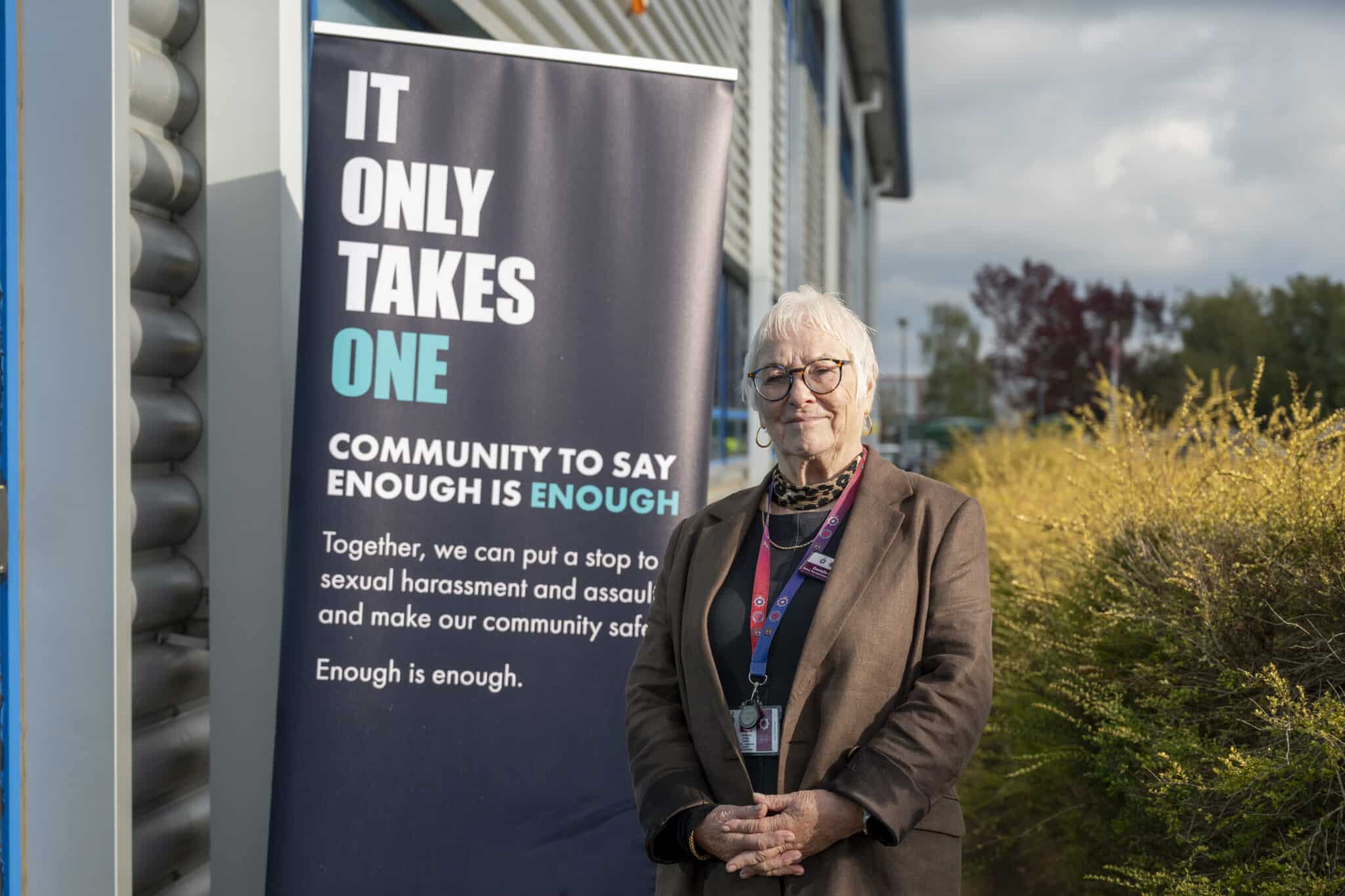
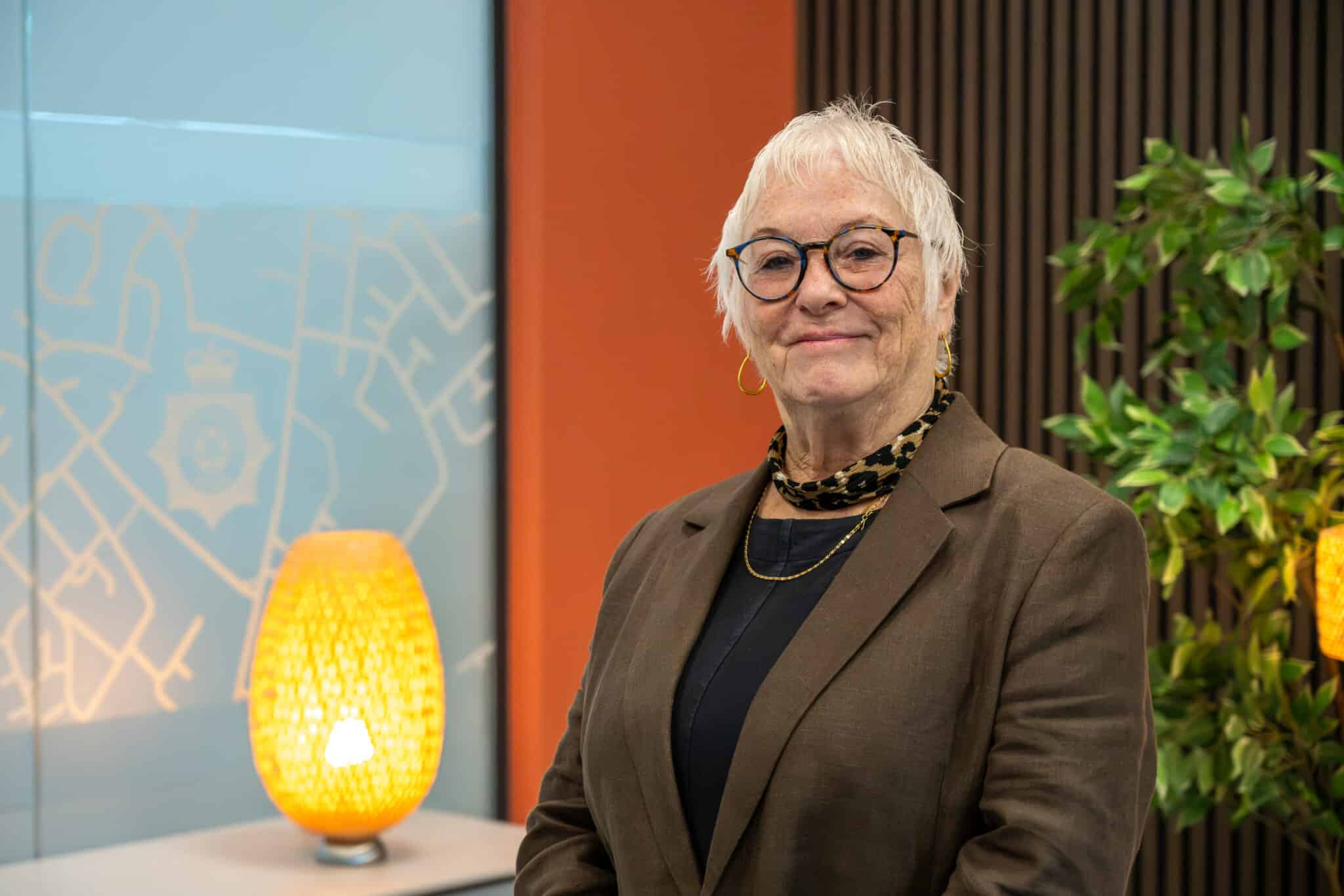
Northamptonshire Police, Fire and Crime Commissioner Danielle Stone has spoken out after suggestions that the 43 police forces in England and Wales should be merged to create nine large regional forces.
While the outcome of a review commissioned by the Home Secretary Shabana Mahmood is yet to be published, Danielle has said that policing must retain its strong local connection, working alongside other agencies to respond to local needs and with clear, local democratic oversight and accountability.
“Large, regional police forces would take decision making and accountability away from local communities,” Danielle said.
“That is the opposite to what people tell me they want, which is a police service that is visible, accessible and understands local issues.”
Danielle said she had seen no evidence that larger forces would be more effective at preventing crime or provide better outcomes for the public.
She said: “Crime is increasingly complex, and there are not enough resources to meet demand. But I haven’t seen any evidence that creating ‘super forces’ will tackle that. I believe that larger forces will pull any resources into the large urban centres, so that rural areas like Northamptonshire lose out.”
Danielle said that reform on the scale being advocated by Metropolitan Police Commissioner Sir Mark Rowley could cost £1 billion – money better spent on properly funding existing police services.
Danielle said that she accepts there is room for some regional collaboration, particularly to ensure Northamptonshire does not miss out on the increased resources available to mayoralties across the country.
But she said that mergers must be based on the same footprint as mayoralties and include all key agencies working to the same boundaries.
“Safer, stronger communities only come about when local authorities, probation, health, police and fire services are working together, seamlessly. There must be no gaps between services that can be exploited by organised crime. These services must be organised on the same footprint, aligned to the boundaries of a mayoralty,” Danielle said.
Danielle called for reform proposals to be clearly evidence based, and to provide more resources for frontline community policing.
“There is always a place for change, but policing reform must be based on the evidence of what works, affordable and build on the strong local connection that people have with their police. And it must be funded – we cannot afford for any change programme to be paid for from existing police budgets.
“Any new structure must enable organisations to work together seamlessly, with the right resources and on a footprint that makes sense to local people and local needs,” Danielle said.