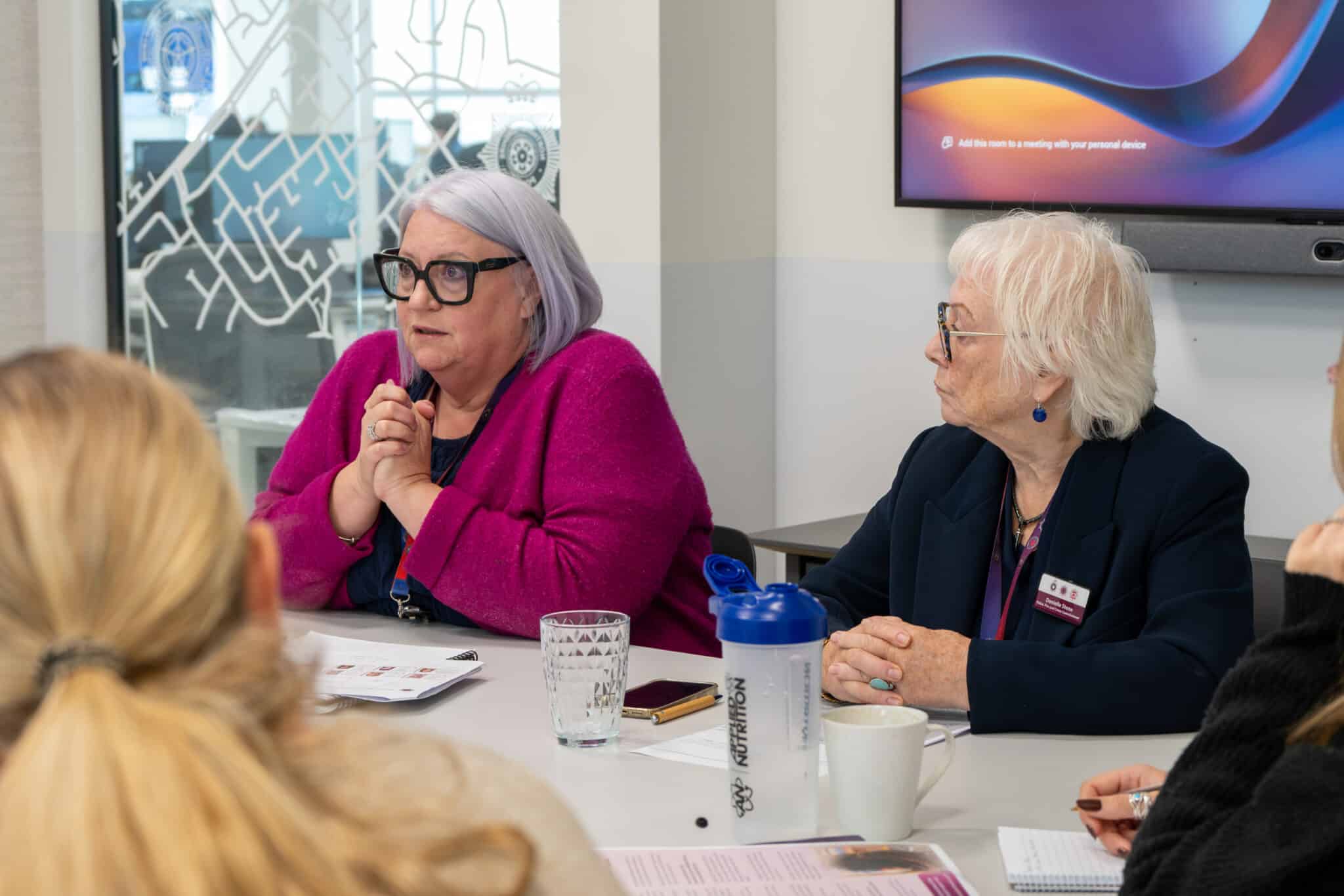

Northamptonshire is strengthening the support available to children and young people affected by domestic abuse by investing in specialist training for its Early Intervention Domestic Abuse Support Team, funded by Police, Fire and Crime Commissioner Danielle Stone.
The team is taking a nationally leading approach by enabling Independent Domestic Violence Advisers (IDVAs) to work directly with children and young people assessed as being at standard and medium risk. Historically, this group has had limited access to tailored, specialist support, despite the long‑term impact domestic abuse can have on childhood development and wellbeing.
The impact of this work is already significant. In March (2026), the Early Intervention Domestic Abuse Support Team supported 258 families across the county, representing 449 children and young people, with around 60 new referrals received each week.
Police, Fire and Crime Commissioner Danielle Stone said: “The scale of demand we are seeing is stark. In a single month, this team supported over 250 families and almost 450 children and young people, clear evidence of both the need for these services and the difference they are making.
“Domestic abuse harms families and children every day, and too many young people grow up believing that fear and instability are normal parts of family life. By expanding specialist training, we are ensuring children and young people receive focused, trauma‑informed support at the point when it can make the greatest possible difference.
“Early intervention is vital to reducing trauma, preventing harm from escalating and helping families build safer, more stable futures.”
Since forming six years ago, the team has grown from two practitioners to twelve and now works closely with families across Northamptonshire. Its expertise is continuing to strengthen, with eleven Early Intervention and Adverse Childhood Experiences (ACE)‑qualified IDVAs undertaking advanced specialist training focused specifically on supporting children and young people. Two practitioners are already fully qualified, three are currently in training, and all remaining team members are expected to complete the programme by the end of the year.
This enhanced capability enables the team to deliver deeper, trauma‑informed support tailored to the lived experiences and emotional needs of children affected by abuse in the home.
More than 90 per cent of referrals come through Police Public Protection Notices and are screened by the Multi‑Agency Safeguarding Hub before being passed to the team. Once contacted, victims are supported to choose whether to engage with services, which may include safety planning, practical guidance, signposting to legal advice and referrals to specialist partner organisations. High‑risk cases continue to be managed by the commissioner’s VOICE and Sunflower service, while the Commissioner’s Targeted Domestic Abuse team focuses on preventing standard and medium‑risk cases from escalating into serious harm.
Alongside family work, practitioners also support boys and girls transitioning into adulthood, helping them recognise healthy relationships and understand that harmful behaviours they may have grown up witnessing are neither normal nor acceptable.
The model provides a rare, dedicated pathway focused on children themselves, offering age‑appropriate emotional support, building resilience and helping to break cycles of abuse early.
Enhanced training also equips practitioners to support children as they settle into school, guide parents in creating safe and predictable home routines and help families navigate court processes where required. The team works closely with schools, midwives and health professionals to ensure a joined‑up approach that prioritises safety, recovery and long‑term stability.
Lucy Spencer, Senior Practitioner for the Early Intervention and ACE Team, said: “No child should grow up feeling frightened in their own home, yet for too long there has been very little specialist support aimed directly at children living with domestic abuse.
“This training allows practitioners to give children a safe space to talk, helps them make sense of their emotions, and reassures them that what they have experienced is not their fault. We see first‑hand how early, trauma‑informed support can change the course of a child’s life.”
This expansion represents an important step in reducing adverse childhood experiences across Northamptonshire, enabling earlier intervention, strengthening families and helping more children grow up safer, more confident and more resilient.