
Expanding specialist support skills for children affected by domestic abuse
Recognising the long term harm abuse can have on wellbeing, development and future relationships
Northamptonshire is strengthening its response to domestic abuse by expanding specialist support for children and young people, recognising the long term harm abuse can have on wellbeing, development and future relationships.
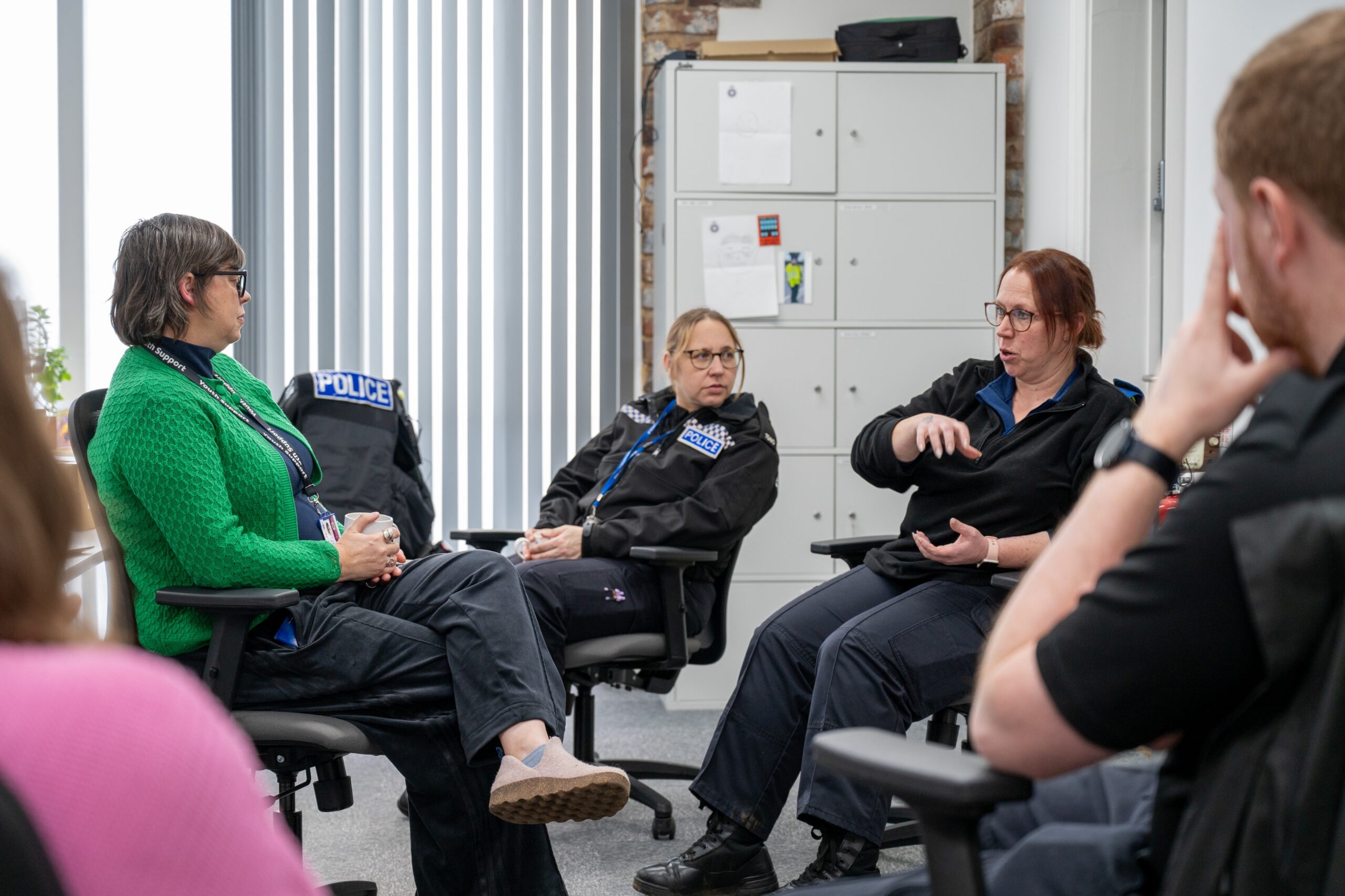
Funded by Police, Fire and Crime Commissioner Danielle Stone, the county’s Early Intervention Domestic Abuse Support Team is taking a nationally-leading approach by investing in specialist training that allows Independent Domestic Violence Advisers (IDVAs) to work directly with young people at risk.
Historically, this group has had limited access to tailored, specialist support, despite evidence showing that exposure to domestic abuse during childhood can result in lasting emotional trauma if not addressed early.
The growing impact of the team’s work is already clear. In March 2026 alone, practitioners supported 258 families, representing 449 children and young people, with around 60 new referrals received each week.
The team now plays a vital role in preventing harm from escalating and reducing the long term consequences of domestic abuse for families across Northamptonshire.
Danielle Stone said: “The scale of demand we are seeing is stark, which is clear evidence of both the need for these services and the difference they are making. “Domestic abuse harms families and children every day, and too many young people grow up believing that fear and instability are normal parts of family life. By expanding specialist training, we are ensuring children and young people receive focused, trauma informed support at the point when it can make the greatest possible difference.”
Since forming six years ago, the Early Intervention Domestic Abuse Support Team has grown from two practitioners to twelve, working closely with families across the county.
Eleven Early Intervention and Adverse Childhood Experiences (ACE) qualified IDVAs are undertaking the advanced specialist training focused specifically on supporting children and young people.
Fire Service delivers course teaching safety skills to young people leaving care
Young people with experience of care have taken part in a Northamptonshire Fire and Rescue Service course teaching them valuable skills to take into adulthood.

The Fire Service has worked with Northamptonshire Children’s Trust to offer a three-day early intervention course to 15 young people, aged between 16-22. The Trust provides children’s social care services on behalf of North Northamptonshire Council and West Northamptonshire Council.
Young people taking part in the course have been looked after by the local authority while they were growing up, and the course has been designed to help them live an independent life when they leave care.
The course includes learning sessions on health and safety, road and water safety advice, and first aid. The young people also took part in practical fire training exercises to help improve communication, resilience and teamwork.
Beth Hughes, senior personal advisor for education, training and employment at Northamptonshire Children’s Trust, said: “The safety information that the Fire Service pass onto our young people is so vital, especially as they are about to leave care and move into their own homes.
“It has given them valuable skills as we look to get them into either employment or volunteering opportunities. They have had so much fun, and it is amazing how much their resilience and communication, and ability to work as a team, have come on in three days.”
Police, Fire and Crime Commissioner Danielle Stone said: “Early intervention is so important, as it gives us an opportunity to provide young people with skills and opportunities that set them on the right path.
“I want our Fire Service to be visible and accessible for all our communities, and this course is an excellent example of that in practice. Our firefighters and fire staff work to keep the public safe and it is fantastic to see the positive impact they have had on the young people who took part in this course.”
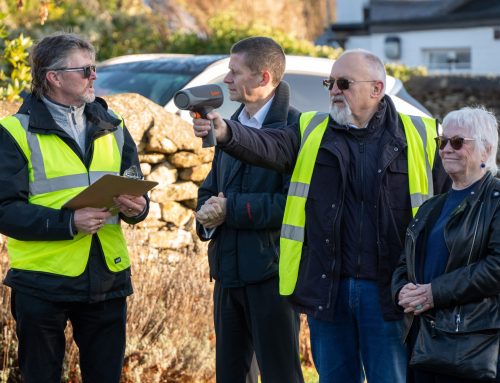
Record community road safety funding
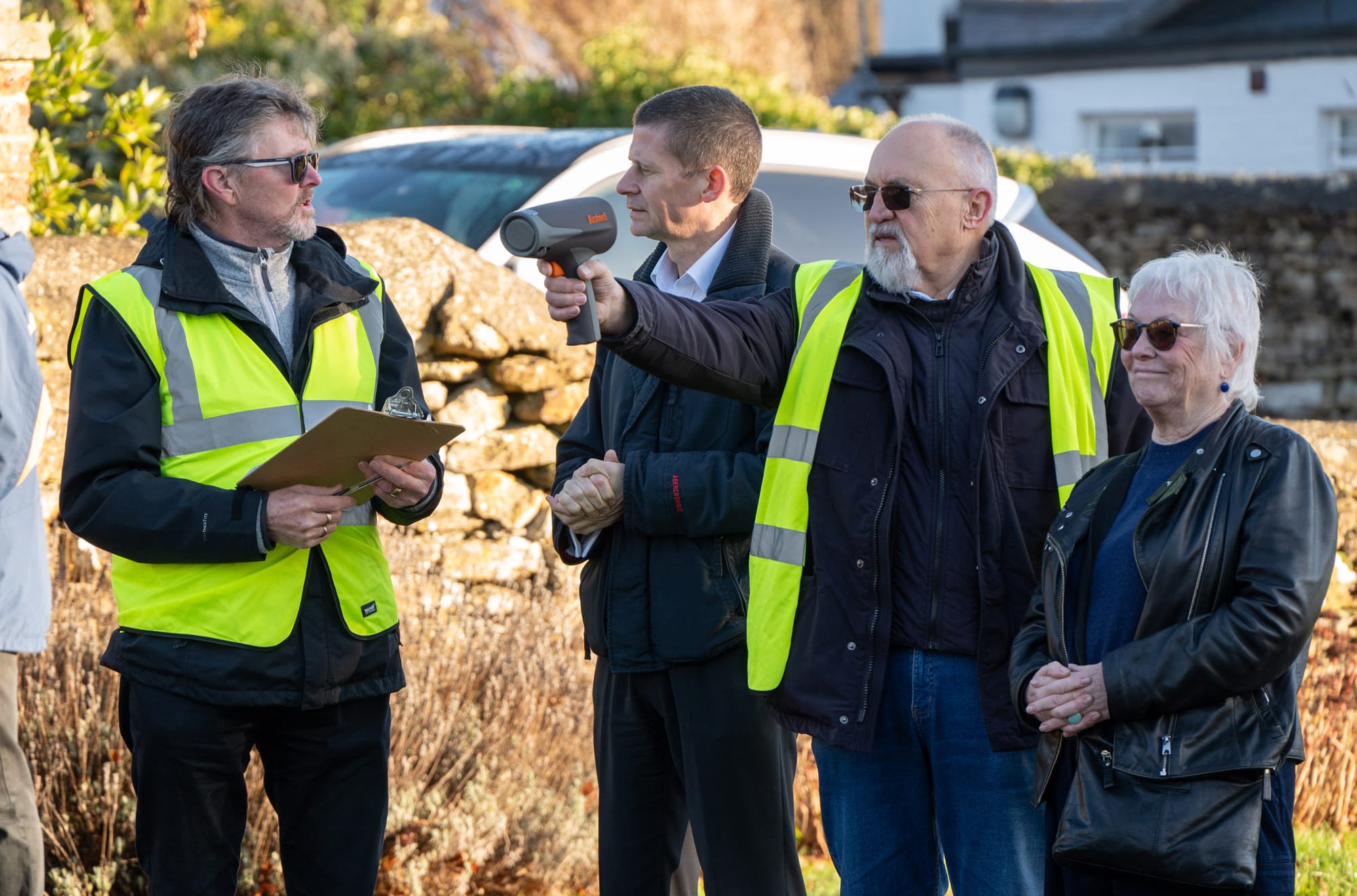
Keeping people safe on Northamptonshire’s roads is still one of the issues raised most often by residents, and one of the Police, Fire and Crime Commissioner’s key priorities.
Over the past year, that commitment has been backed by the highest level of road safety grant funding awarded to date.
During 2025/26, Danielle Stone invested £113,084.50 into local road safety initiatives – a record level of funding delivered through the Road Safety Community Fund. The momentum has continued into the new financial year, with £12,562.56 already awarded for 2026/27, supporting seven new community led projects across the county.
These seven are: Upton Parish Council, Little Harrowden PTA, Barby and Onley Parish Council, Laxton Parish Council, Preston Capes Parish Council, Titchmarsh Parish Council and Apethorpe Parish Meeting.
Danielle said the sustained investment reflects residents’ concerns and a clear focus on prevention: “Road safety is consistently one of the most common concerns raised with me by residents, and that is why it remains a key priority in my Police, Fire and Crime Plan.”
New team making impact on county’s response to anti-social behaviour
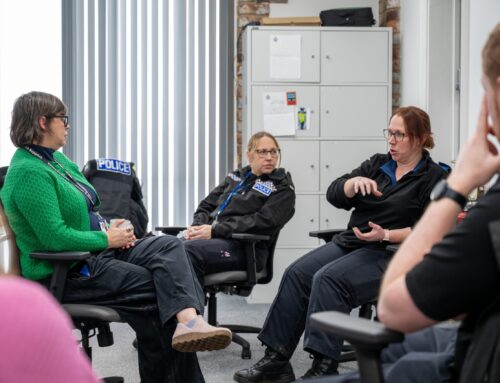
A dedicated team clamping down on anti-social behaviour is already easing pressure on frontline Policing and schools.
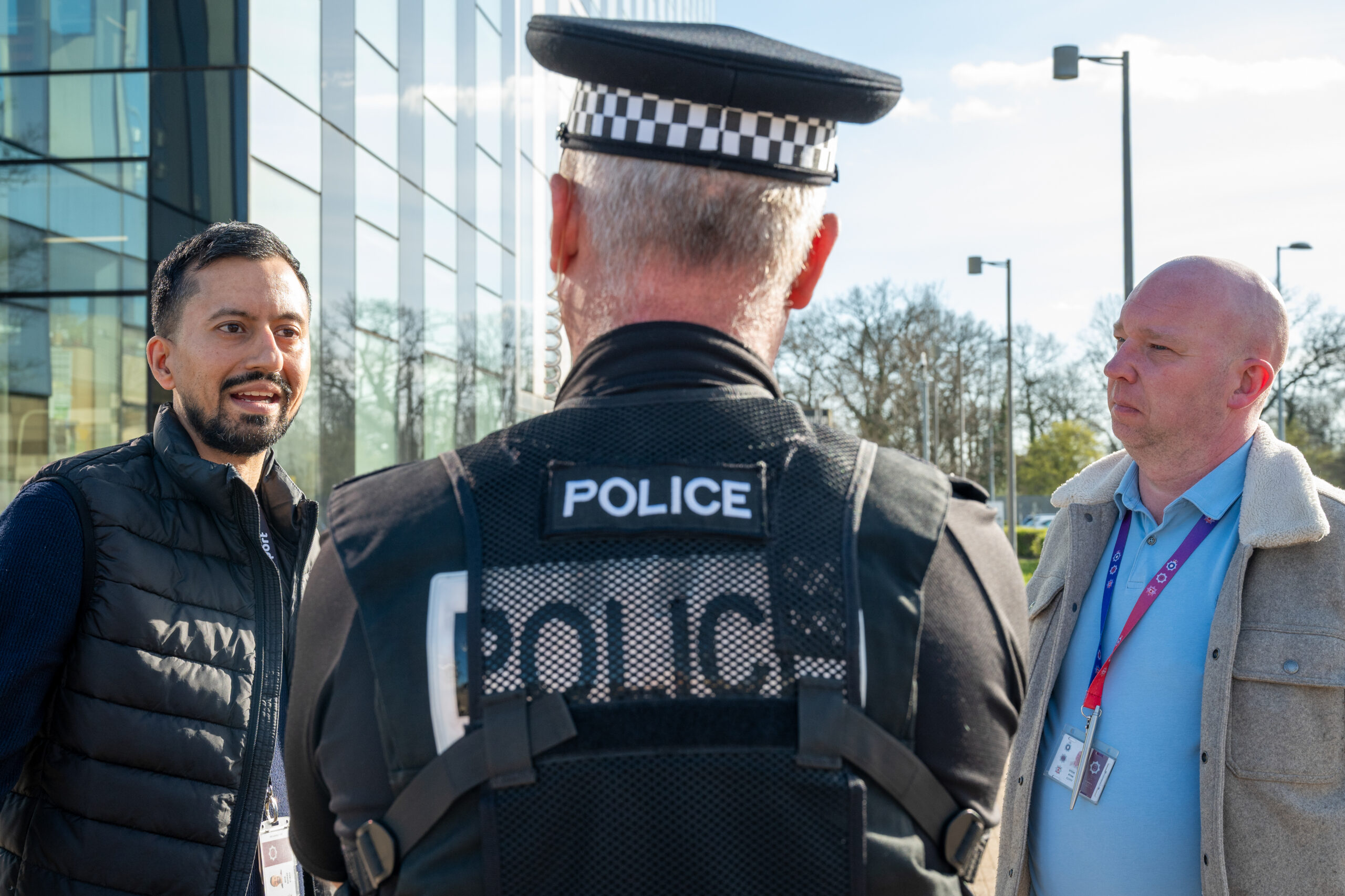
Since launching in January, the ASB Early Intervention Team has dealt with almost 90 referrals where young people are showing emerging concerns.
Specialists’ step-in and offer support to children and their families for up to 12 weeks to educate on issues like criminal damage or public disorder to stop harmful behaviour from escalating.
The team was set up and is funded by Northamptonshire Police, Fire and Crime Commissioner Danielle Stone as part of her mission to put prevention first.
Each Neighbourhood Policing Team across the county now has their own youth specialist embedded at their station to strengthen response and achieve positive outcomes for low-level behaviour.
Anti-social behaviour is a major issue of concern in neighbourhoods across the county.
Kettering Neighbourhood Policing Sergeant Oliver Quinlan said: “In the brief time the ASB Early Intervention Team has been set up, my team has developed a close working relationship.
“At Kettering, we regularly have a youth specialist working alongside the Neighbourhood Policing Team on local concerns, which has already led to a strong flow of referrals.
“I have a high level of confidence in their work, and the potential is clear to see. By reducing repeat cases of anti-social behaviour and diverting young people away from the criminal justice system, I believe their work will ease demand on frontline Policing.”
Since the partnership with Rushden Academy launched in March, two more secondary schools have signed up to the offer in Northamptonshire that sees a youth worker drop in once a week to support students.
Danielle Stone said: “It’s fantastic news to see Police and schools engaging with the service my youth team is providing.
“There are clear challenges young people face but it’s our job to make sure the likelihood of them encountering the criminal justice system is reduced and keep communities safe.”
Immediate Justice: turning mistakes into positive opportunities
Offenders who have taken part in Police, Fire and Crime Commissioner Danielle Stone’s Immediate Justice programme are less likely to reoffend compared to those who did not engage with the scheme.
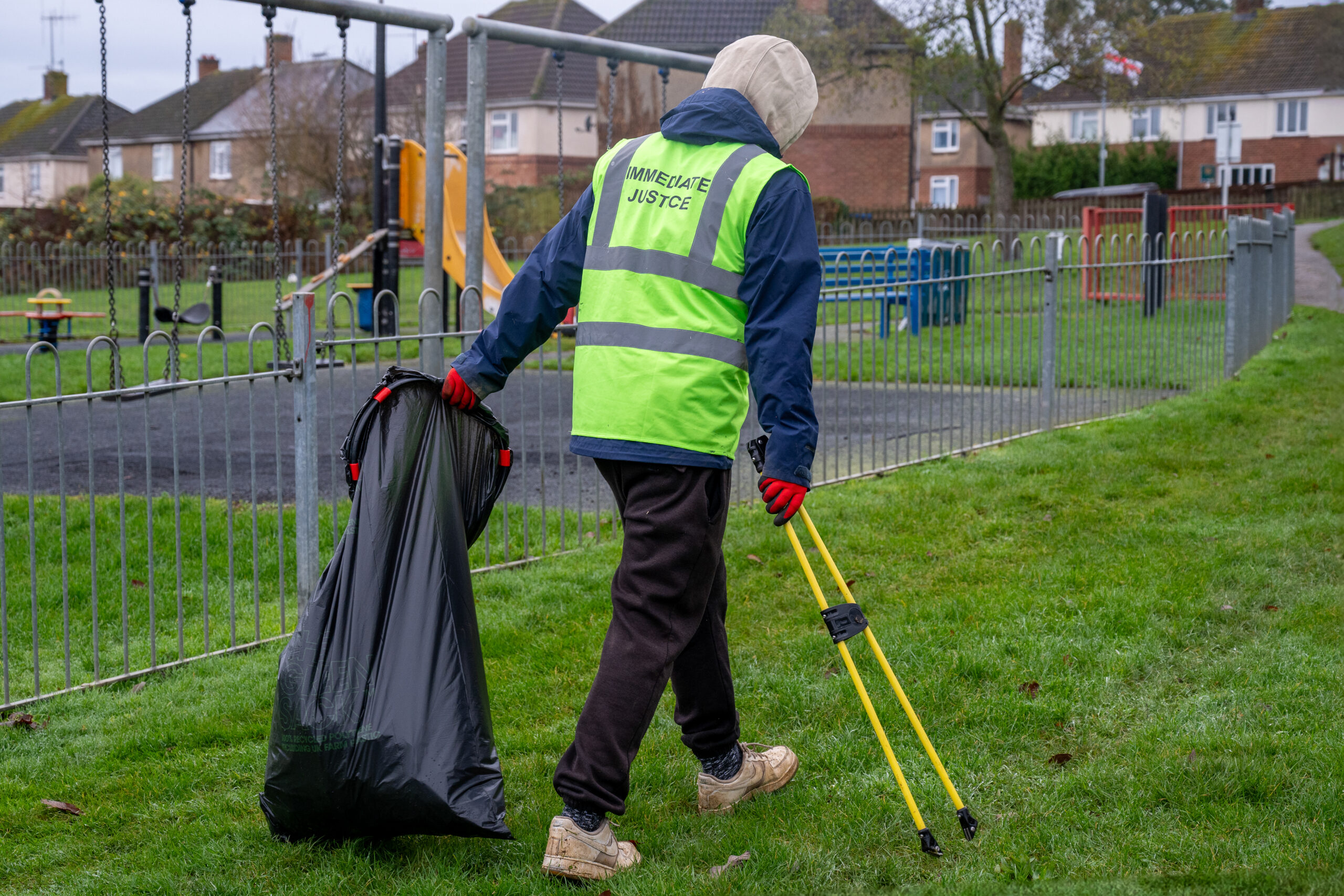
The Immediate Justice Scheme was set up with the aim of providing swift and visible consequences for people who have committed low-level anti-social behaviour.
However, results so far show that people who take part in the scheme have been less likely to commit further crimes in this county.
Just 12% of offenders who completed an Immediate Justice penalty between December 2023 and March 2025 offended again, compared to 33% of those who refused to take part in the programme.
Offenders who take part repair the harm they have caused through meaningful work that is visible to the community – often in the same area where their crimes were committed.
People referred to the programme are guided by one of four, skilled Immediate Justice Supervisors, who encourage them to take accountability, and reflect on the impact of their actions.
Carrying out a minimum of four hours of visible community work such as repairs, graffiti removal and groundwork, offenders receive support from the supervisors to address why they may have committed their crime. This combination of consequence and guidance is proving to reduce the likelihood of reoffending.
The Immediate Justice Team has now worked with over 600 offenders, more than 20% being young people aged between 12 and 18.
Danielle is pleased that the programme is having a positive impact.
“Immediate Justice is making a real difference in our communities. We are holding offenders to account and giving them support to reflect on their behaviour, creating safer neighbourhoods.
“For the young people that have taken part, the programme has ensured that they have a chance to put things right, without the lasting consequences of prosecution that could affect their future.
“The programme allows people to turn their mistakes into an opportunity to make a positive contribution to their community.”
Immediate Justice numbers to date
- 635 people referred to the programme by police
- 2224 hours completed by offenders
- 55 parish and town councils where work has been carried out
- 88 locations cleaned up